American Chestnut Restoration Project
For the past five years the Winchester Land Trust has been assisting the American Chestnut Foundation as they work towards developing a chestnut tree that is resistant to the American Chestnut Blight, a pathogenic fungus called Cryphonectria parasitica. This pathogen arrived on our shores in the early years of the twentieth century and in less than forty years killed nearly all the chestnuts – estimated at between three and four billion trees.
American Chestnuts were an incredibly valuable tree for both humans and wildlife. The nuts were an important food source for animals such as bear, turkeys and rodents. Humans enjoyed them too, which led to efforts to improve the nuts by crossing our chestnut trees with those from Asia which had larger nuts. Unfortunately the Asian chestnuts were also hosts to the pathogen which subsequently killed nearly every American Chestnut.
The American Chestnut Foundation is exploring several ways to develop a blight resistant tree. Most of the efforts have revolved around hybridizing American Chestnuts with Chinese Chestnuts which have an immunity to the blight. The challenge has been to achieve blight resistance but still maintain the size and character of the American Chestnut, which is a much larger tree. Specimens of 100’ in height and reaching 14’ in diameter were not uncommon in the nineteenth century.
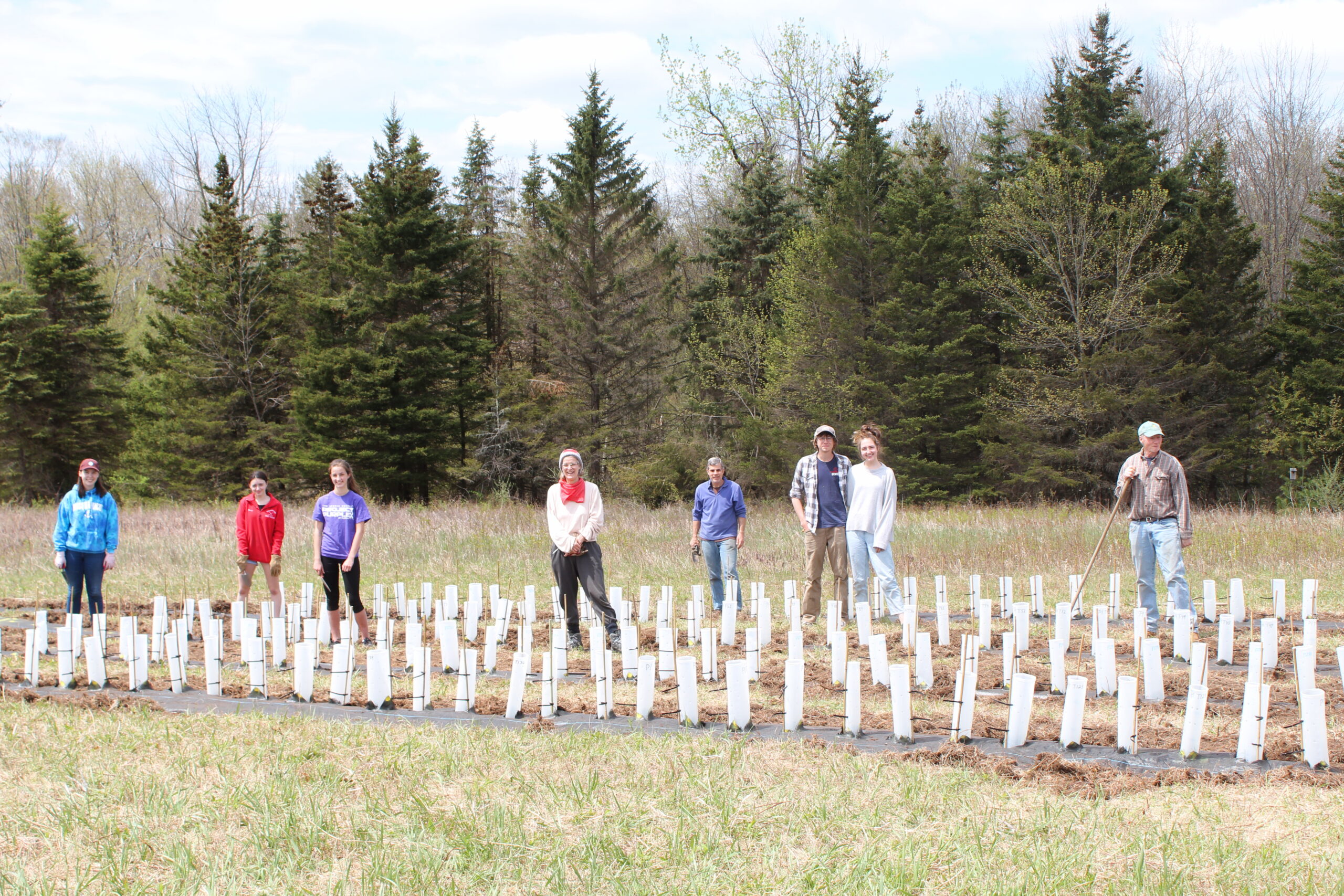
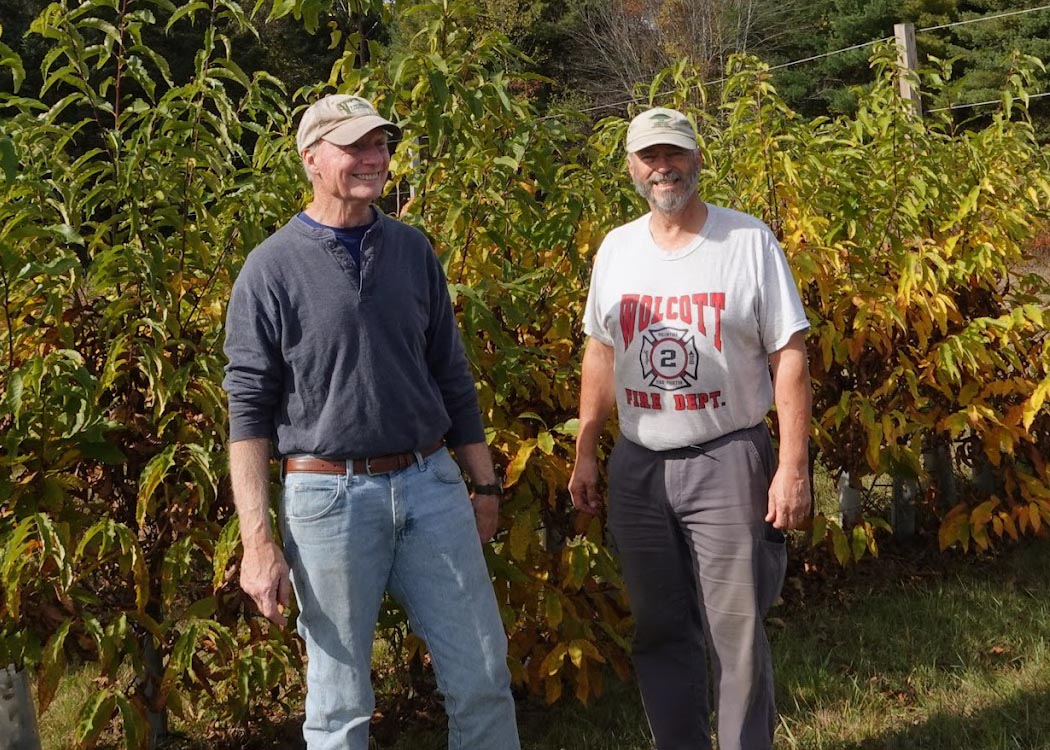
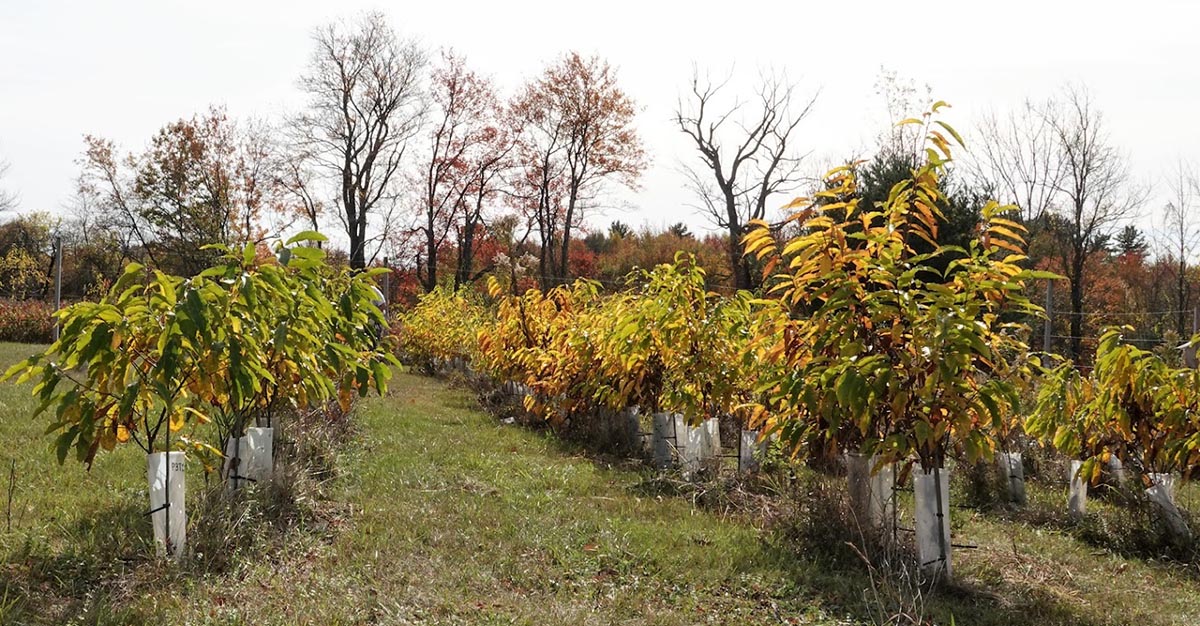
We have a ½ acre chestnut orchard on our property at Hurlburt Field. Several batches of trees have been planted over the past five years, the early plantings are now approaching ten feet in height. Most,if not all these trees will most likely die due to insufficient blight resistance. But we are hoping, along with everyone else involved in this effort, that somewhere a blight resistant tree will be grown and in centuries to come we will once again have these magnificent trees back in our forest.